Flood Risk and Home Values in the Red River Valley
From riverbank lots in Winnipeg to ring-diked towns south of the city, flood history shapes how buyers see property. How appraisers account for it.
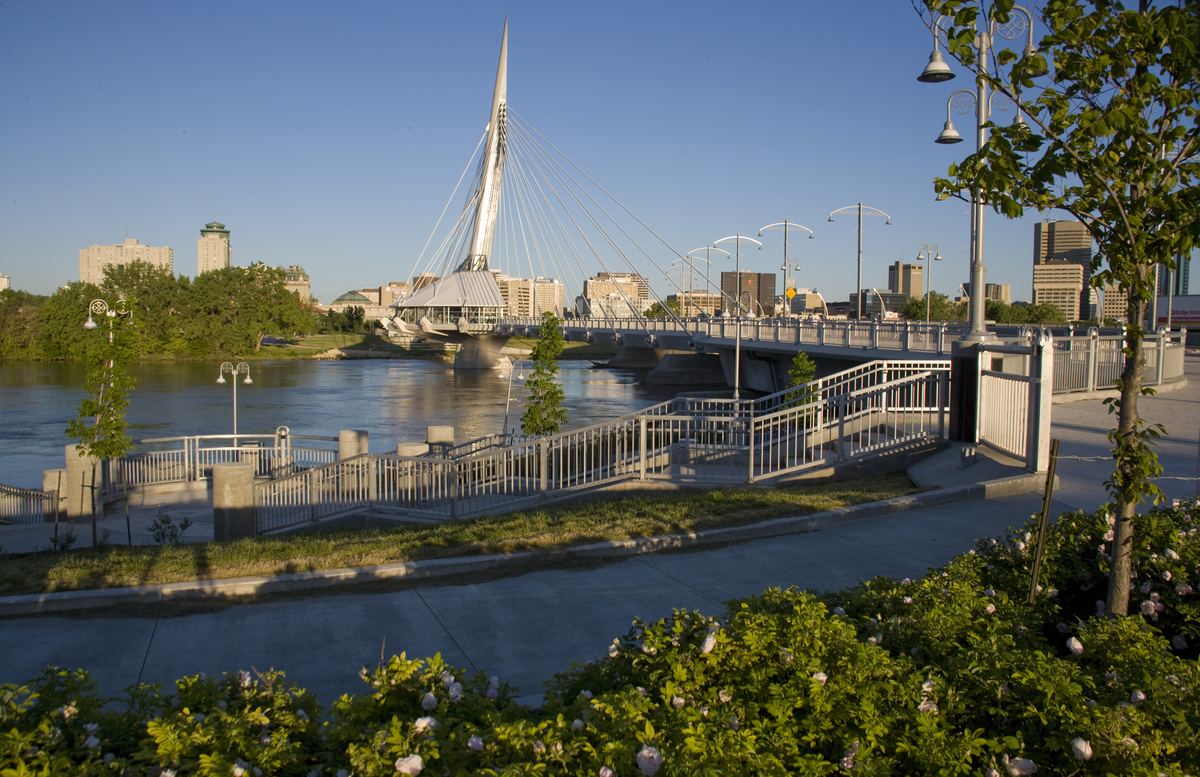
Few parts of Canada have a flood history as well known as the Red River Valley. The 1997 flood, sometimes called the Flood of the Century, is still part of local memory, and spring flood forecasts are followed closely every year. Major flood protection works, including the Red River Floodway around Winnipeg, the Portage Diversion on the Assiniboine and ring dikes around many valley towns, have reduced the risk for many communities. But flooding and drainage remain part of how buyers think about property here, and appraisers have to account for them.
How flood risk affects value
Flood risk can influence value in several ways:
- Buyer demand. Some buyers avoid properties with a flood history or in low-lying areas, which can reduce the pool of interested buyers.
- Insurance. The availability and cost of overland flood coverage affects what buyers are willing to pay.
- Lender requirements. Lenders may ask about flood risk, especially for rural properties or homes close to rivers.
- Repair history. Past flood damage, even if repaired, can concern buyers unless it is well documented.
At the same time, river frontage is often a premium feature. Many of Winnipeg's most desirable streets back onto the Red or the Assiniboine, and riverside acreages south of the city are highly sought after. An appraisal has to weigh the appeal of the setting against the risks.
Winnipeg's riverbank properties
Inside Winnipeg, riverbank homes in neighbourhoods such as Crescentwood, Wildwood, St. Vital, Kildonan and along the Assiniboine in Tuxedo and St. James combine mature trees, privacy and views. Many are protected by the Floodway and city dikes, though riverbank stability, erosion and the location of the home relative to the bank can still matter. Appraisers note the lot's depth, the slope and condition of the bank, any visible stabilization work, and how similar riverbank properties have sold.
Valley towns and ring dikes
South of Winnipeg, towns such as Morris, St. Adolphe, Rosenort, St. Jean Baptiste and Emerson are protected by ring dikes. Homes inside the dikes are generally treated much like homes in any small town, although buyers remain aware of flood history. Properties outside the dikes may face different considerations.
Rural homes on raised pads
In the Red River Valley, many rural homes have been built or raised on earthen pads to a set flood protection level, often as a condition of development. Appraisers note whether a home appears to be built on a pad, the condition of the yard and access during spring, and any information the owner can share about elevation or flood-proofing. Rural properties in designated flood areas may face specific requirements for new construction and renovations.
Overland flooding and sewer backup
Flood risk is not limited to river flooding. Heavy rainfall and spring melt can cause basement flooding through sewer backup or seepage, particularly in older Winnipeg neighbourhoods with combined sewers. Backwater valves, sump pits with backup power, good lot grading and proper downspout extensions all reduce that risk. Appraisers note these features where visible, and buyers increasingly ask about them.
How appraisers handle flood factors
The appraiser's main tool is comparable sales. The best evidence for a riverside home is a recent sale of a similar riverside home. For a property inside a ring-diked town, sales from the same or similar towns are most relevant. For a rural home on a pad, sales of similar valley acreages help. The appraiser also considers:
- the property's location relative to rivers, drains and low areas
- visible flood-proofing, such as raised pads, dikes, backwater valves and sumps
- evidence of past water damage and repairs
- access to the property during spring conditions
- how the local market has responded to flood events
Appraisers are not engineers or flood mappers. If detailed flood risk information is needed, it should come from the appropriate authorities or professionals.
What owners can share
- any history of flooding or water in the basement, and what was done about it
- details of flood-proofing: pad elevation, dikes, backwater valves, sumps
- engineering reports for riverbank stabilization
- insurance information, if relevant to the purpose
Buying in the valley
If you are buying a riverside home or a rural property in the valley, ask questions about flood history and protection, check insurance options early, and consider the property's access during spring. An appraisal will reflect how the market treats similar properties, but your own research matters too.
The market's long memory
Buyer sensitivity to flood risk tends to rise after a major event and ease during long dry stretches. Appraisers watch how sales respond over time. A property that sold at a discount in the years after a flood may sell at a much smaller discount a decade later if protection has improved and the area has been dry. That is one reason recent comparable sales from similar settings matter more than general assumptions.
Questions to ask when buying near water
- Has the property ever flooded, or had water in the basement?
- Is the home inside a ring dike, behind city flood protection, or on a raised pad?
- What overland flood insurance is available, and at what cost?
- Is the lane or road passable during spring melt?
Appraisals across the Red River Valley
Burley Appraisals appraises riverside, valley and rural properties across Winnipeg and Southern Manitoba. See our Southern Manitoba and Winnipeg pages, or order online.
Frequently asked questions
Does being near the river always lower value?
No. River frontage often adds value for the setting. Flood risk and riverbank stability are weighed alongside that premium.
Does an appraisal include a flood risk assessment?
No. Appraisers note what they observe and how the market treats similar properties. Engineering and flood-mapping questions are for specialists and the relevant authorities.
Do homes inside a ring dike sell for less?
Not necessarily. Inside the dike, homes are generally valued much like other small-town homes, based on local comparable sales.
Should I disclose past flooding?
Yes. Disclosure protects you legally and helps the appraiser and buyers understand the property accurately.
This article is general information, not legal, tax or financial advice. Speak with a qualified professional about your situation.
