Farm Residence Appraisals: How Much Land Gets Appraised?
When a home sits on a working farm, defining what is being appraised is the first and most important step. How appraisers handle yard sites, farmland and lender limits.
Across Southern Manitoba, many homes sit in farm yards surrounded by cropland or pasture. When the owner needs an appraisal, for a mortgage, an estate, a family transfer or a separation, the first question is not "what is it worth?" but "what exactly are we appraising?" Getting that answer right saves time and avoids reports that do not meet anyone's needs. This article explains how farm residence appraisals are scoped.
The yard site and the farm
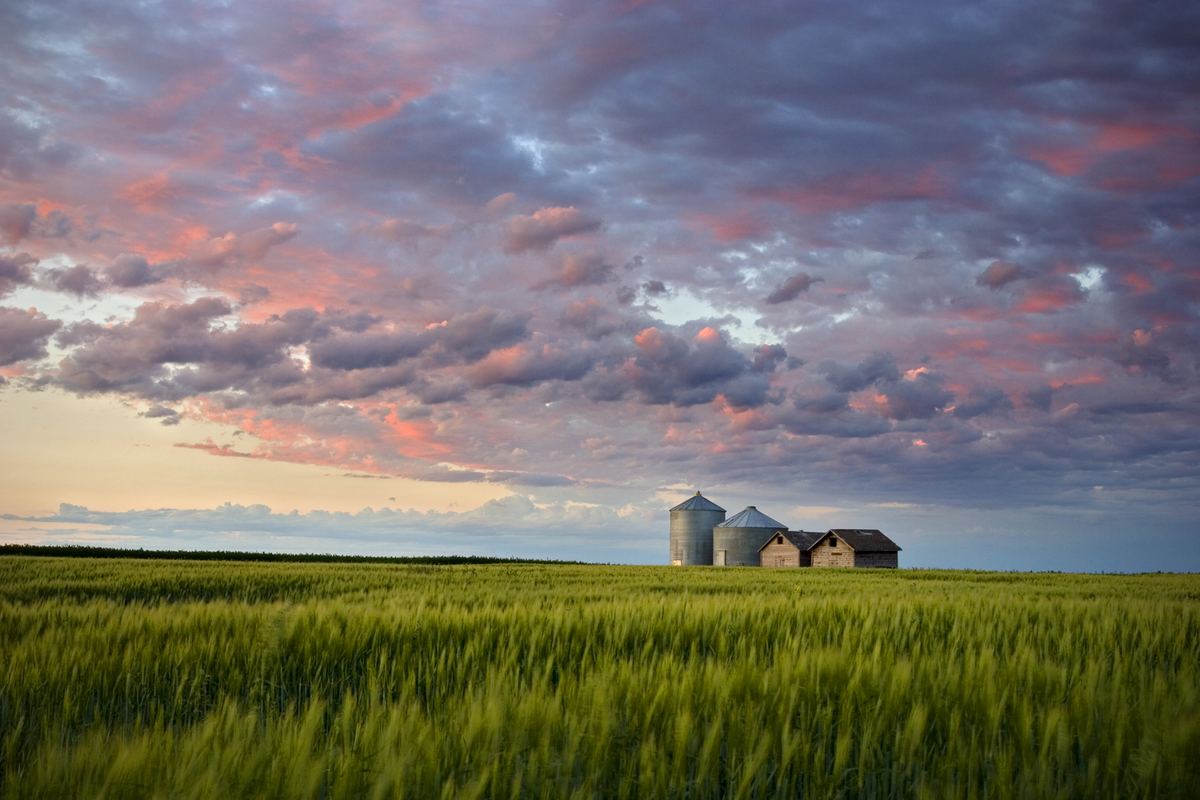
A farm property usually has two parts. The yard site contains the house, garage, shops, bins and other buildings, typically sheltered by trees. The agricultural land is the cropland, pasture or hay land around it. These parts appeal to different buyers and are valued in different ways. A family looking for a country home may want the yard site and a few acres; a farmer may want the cropland and have no interest in the house.
What residential appraisals usually cover
A residential appraisal of a farm property usually covers the house and a defined yard site, often with a modest amount of land around it. The appraiser values it as a country residential property, comparing it with sales of acreages and farm yards with similar homes and buildings.
Agricultural land is a separate market. Its value depends on soil quality, productivity, drainage and local farmland prices. Farmland is often valued by appraisers who focus on agricultural property. If an estate or family transfer involves both the home and the land, two appraisals, or one appraiser qualified for both, may be needed.
Why lenders care about scope
Residential mortgage lenders often limit how much land they will include in a residential loan. A lender might finance the house and a yard site of a certain size, but not the surrounding quarter section. If the appraisal covers the whole farm, the lender may not be able to use it. If it covers only the house, an estate may not have what it needs. Confirming the scope with your lender, lawyer or accountant before the inspection avoids paying for the wrong report.
Defining the site
When the yard site is not a separate legal parcel, the appraiser and client agree on a reasonable site to appraise, often based on the natural boundaries of the yard: shelterbelts, lanes and fences. The report states the assumption clearly. If a subdivision is planned, survey information helps.
Buildings on the yard
Farm yards often include buildings that serve the farming operation: machine sheds, grain bins, barns and workshops. Some add value for a country residential buyer, such as a heated shop or a newer garage. Others, like large grain storage or livestock barns, may contribute little to a buyer who does not farm. Appraisers estimate each building's contribution from what the residential market pays for similar features.
Servicing
As with any rural home, water supply and wastewater matter. Farm yards may have wells shared with livestock operations, older septic systems or lagoons. Lenders may require water tests and septic information.
Common purposes
- Succession planning. Parents transferring the farm to a child often need the residence valued separately from the land.
- Retirement. Retiring farmers who keep the yard site and sell or rent the land may need the residence value.
- Estates. Executors need values for each component.
- Mortgages. Buyers of farm yards need lender-ready reports for the residential portion.
- Separations. Family property may include a farm residence and land.
Questions to answer before ordering
- Who is the report for, and what will it be used for?
- Is the yard site a separate parcel, or part of a larger title?
- How much land should be included with the residence?
- Does agricultural land need to be valued, and by whom?
- What effective date is required?
Subdividing the yard site
Some families decide to subdivide the yard site from the farmland, creating a separate title for the house and buildings. This can make financing, sale or transfer simpler, because the residential property becomes a defined parcel. Subdivision involves municipal planning approval and survey work, and the rules vary by municipality. If you are considering it, an appraisal of the proposed parcel can help you understand its value before you commit to the process.
A Southern Manitoba example
A retiring couple near Carman plans to sell their cropland to a neighbour but keep the house, shop and a few acres around the yard. Their bank will provide a mortgage on the residence for renovations. The appraiser and the couple agree on the boundaries of the yard site, based on the shelterbelt and lane, and the report values that site as a country residential property. The cropland is handled separately in the sale to the neighbour. Each party gets the information it needs, and nothing is appraised twice.
Farm residence appraisals in Southern Manitoba
Burley Appraisals appraises farm residences and yard sites throughout the Pembina Valley, around Portage la Prairie, in the RM of Hanover and across Southern Manitoba. Call us before ordering so we can confirm the scope with you and, where needed, your lender or lawyer. Order online.
Frequently asked questions
Can a residential appraiser value farmland?
Farmland is often valued by appraisers who specialise in agricultural property. A residential appraisal typically focuses on the home and yard site.
Do I need a survey to appraise a yard site?
Not always. If the yard site is not a separate parcel, the appraiser and client can agree on reasonable boundaries and the report states that assumption. A survey helps if subdivision is planned.
What is a yard site?
The part of the farm that contains the house and nearby buildings, usually separated from the cropland by shelterbelts or fences. Its size varies.
Does the value of nearby farmland affect the house value?
Indirectly. The appraisal focuses on what buyers pay for comparable residences and sites, which reflects the local area, but the house is not valued as a share of the farm.
This article is general information, not legal, tax or financial advice. Speak with a qualified professional about your situation.