Appraising Homes in Small Towns When There Are Few Sales
In towns like Altona, Manitou or Plum Coulee, only a handful of homes may sell each year. How appraisers find reliable evidence, and what homeowners should expect.
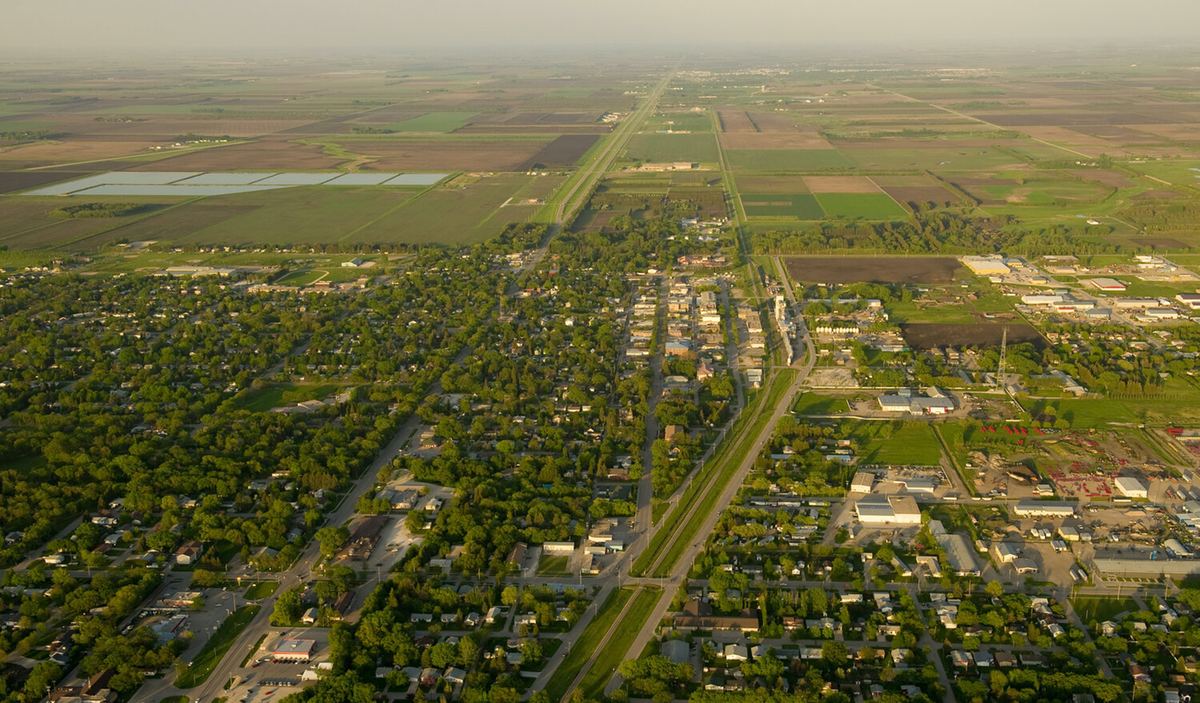
In Winnipeg, an appraiser can often choose from dozens of recent sales of similar homes. In many Southern Manitoba towns, a whole year may produce only a few sales, and none of them may closely match the home being appraised. Small markets are not harder to understand, but they require a different kind of care. This article explains how appraisers work in small towns and what homeowners can expect.
The challenge of thin markets
A thin market is one with few transactions. In towns such as Plum Coulee, Gretna, Manitou, Pilot Mound or St. Jean Baptiste, a handful of homes may sell each year, and they may be very different from one another. One may be an older storey-and-a-half, another a newer bungalow, a third a house on a large lot at the edge of town. Each sale tells the appraiser something, but none may be a near-perfect match.
Widening the search
When local sales are limited, appraisers look further afield. The best alternatives are usually nearby towns with similar character: similar size, services, distance to larger centres and housing stock. For a home in Plum Coulee, sales in Rosenfeld or Gretna may be relevant. For a home in Manitou, sales in Pilot Mound or Darlingford may help.
Using another town's sales requires an adjustment for location. Towns closer to Winkler, Steinbach or Winnipeg tend to attract more buyers and higher prices; more remote towns may sell for less. The appraiser estimates those differences from market evidence and explains them.
Looking back in time
Another approach is to use older sales from the same town and adjust them for changes in the market since. If prices in the region have risen over the past two years, an older sale is adjusted upward to reflect today's conditions. Appraisers estimate these trends from regional data and from properties that have sold more than once.
Larger adjustments, clearer reasoning
When comparables are less similar, adjustments tend to be larger. That is not a flaw; it reflects reality. What matters is that the adjustments are supported and explained. A good small-town appraisal tells the reader which sales were used, why, and how each difference was handled, so a lender, executor or homeowner can follow the logic.
Local knowledge matters most here
In thin markets, knowing the local area is especially valuable. Which side of town do buyers prefer? Is the school a draw? Did a major employer recently expand or close? Has a nearby town become popular with commuters? An appraiser who works in the region regularly can answer those questions in a way that data alone cannot.
Our appraisers work across the Pembina Valley every week and cover communities from Portage la Prairie to the Red River Valley. That familiarity helps us choose the right evidence.
Supporting approaches
When comparable sales are limited, the cost approach can provide useful support, particularly for newer homes. The appraiser estimates the cost to build the home new, subtracts depreciation and adds land value. It does not replace the sales evidence, but it can confirm whether the conclusion is reasonable.
What homeowners can do
- Share any knowledge of recent private sales in your town, which may not appear in listing systems.
- Provide a clear list of updates, since condition differences can be large among older small-town homes.
- Be patient if the appraiser needs a little more time to research.
- Expect the report to include sales from nearby communities, and ask if the reasoning is unclear.
Lenders and small-town properties
Lenders are generally familiar with rural and small-town markets and accept that comparables may be older or more distant. What they want is a well-reasoned report. Occasionally, a lender may have concerns about marketability in very small communities. Talking to your lender early can help.
What drives value in small Manitoba towns
Several factors tend to shape prices in smaller communities:
- Distance to a larger centre. Towns within an easy drive of Winkler, Steinbach or Winnipeg attract commuters and often sell higher.
- Local services. A school, grocery store, health centre and recreation facilities all support demand.
- Employment. A major local employer can keep demand steady; the loss of one can soften prices.
- Housing stock. Many small towns have older homes, so updates and condition can separate one sale from another more than size does.
- Lot size. Larger town lots are common and valued by buyers who want space without a full acreage.
A Pembina Valley example
An appraiser is asked to value an updated 1960s bungalow in Plum Coulee. Over the past year only two homes have sold in town: an older storey-and-a-half needing work and a newer bungalow on a large lot. Neither is a close match. The appraiser adds sales of similar bungalows from Rosenfeld and Winkler, adjusting the Winkler sales for its larger market and services, and adjusts an older Plum Coulee sale for market change. The report explains each choice. The lender can see that the conclusion rests on the best evidence available.
Small-town appraisals across Southern Manitoba
Burley Appraisals appraises homes in towns throughout Southern Manitoba, including Altona, Gretna, Plum Coulee, Morris, Carman, Manitou and many more. See our Southern Manitoba page, or order online.
Frequently asked questions
Why did my appraiser use sales from another town?
Because there were not enough recent, similar sales in your town. Nearby communities with similar character are often the best available evidence, adjusted for differences.
Can a private sale in my town be used?
Yes, if it was at market value and the details can be confirmed. Share what you know and the appraiser will look into it.
Are small-town values more uncertain?
There is usually more uncertainty, because there is less data. A careful appraiser explains the evidence and reasoning so readers can understand it.
Do lenders accept appraisals with older comparables?
Generally yes, when the appraiser explains why they were needed and how they were adjusted. Lenders know rural markets have fewer sales.
This article is general information, not legal, tax or financial advice. Speak with a qualified professional about your situation.