Appraising Acreages: Wells, Septic Systems and Outbuildings
Acreage appraisals involve far more than the house. How appraisers handle water, wastewater, shops, land and the shortage of comparable sales in rural Manitoba.
Acreages are a big part of life in Manitoba. Around Winnipeg, in the RM of Hanover near Steinbach, in the Pembina Valley and across the south of the province, many families choose country living on a few acres. Appraising these properties takes more time and care than appraising a house in town, because more features contribute to value and fewer comparable sales exist. This article explains what appraisers look at.
Why acreages are different
In a city neighbourhood, many homes are broadly similar and sell regularly. On acreages, every property is different: lot size, house style, outbuildings, trees, access and servicing all vary. Buyers are also fewer, and they weigh features differently. Some want a heated shop for a business, others want space for horses, others simply want privacy. The appraiser's job is to understand what typical buyers in that area value and how much they pay for it.
Water supply
Rural homes may be served by a drilled well, a sandpoint well, a cistern with hauled water, or a rural water pipeline. Each has different implications for buyers and lenders:
- A reliable well with good water quality is a major asset.
- Cisterns with hauled water are common in some areas but less convenient.
- Rural water lines are often seen as a plus where available.
Appraisers note the water source and any visible equipment such as pressure tanks and treatment systems. They do not test water quality or flow. Many lenders require a separate water potability test before funding.
Wastewater systems
Rural homes typically rely on septic tanks with fields, holding tanks that are pumped out, or in some areas lagoons. Appraisers note the type and age where known. A failing system can be expensive to replace, so buyers and lenders pay attention. Pump-out records and installation details are helpful to share.
Outbuildings
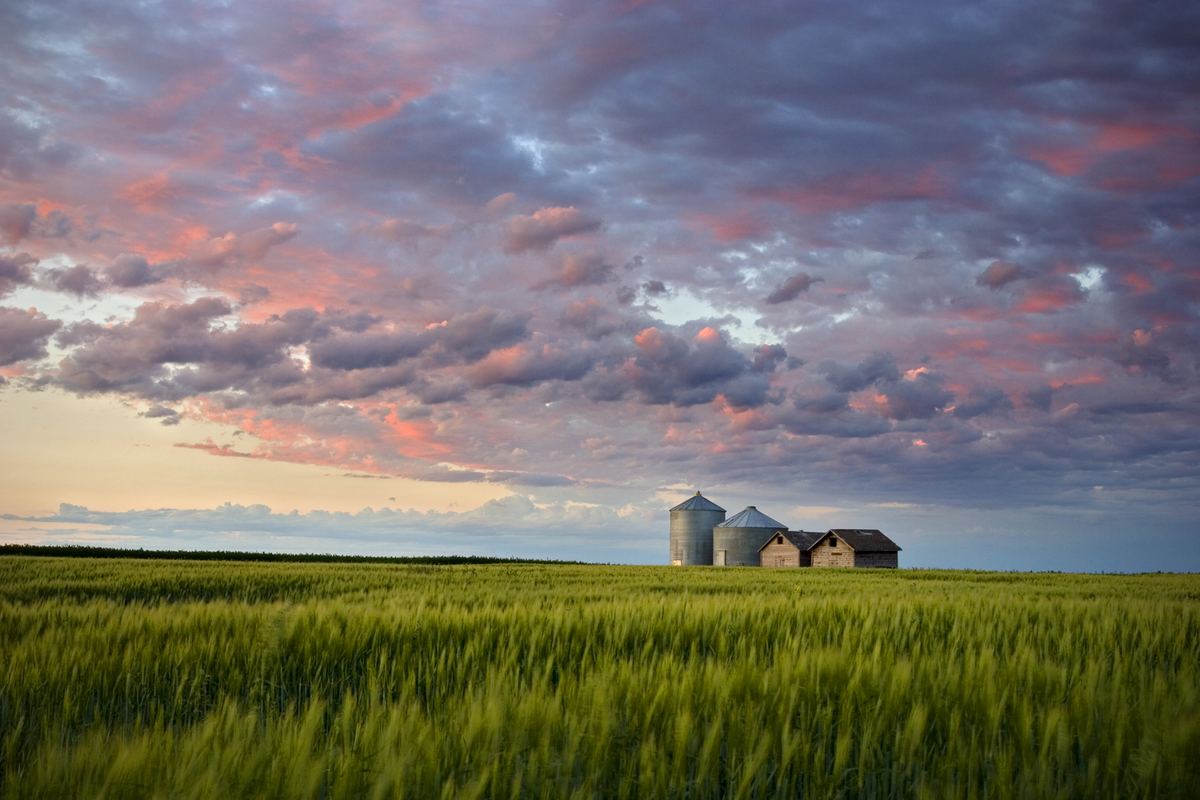
Shops, detached garages, barns, quonsets and sheds can contribute substantial value or very little, depending on their condition and usefulness. Appraisers measure each building and record its construction, foundation, insulation, heating, power and condition. A newer insulated and heated shop with a concrete floor is valued very differently from an aging wood barn.
The contribution of outbuildings is estimated from comparable sales, not from replacement cost. A large, expensive building may add less than it cost to build if typical buyers in the area do not need it.
Land and site
The site itself matters: acreage, shape, trees and shelterbelts, drainage, access, and how the yard is laid out. A well-treed yard with good drainage and a solid all-weather lane appeals to buyers. Low-lying land, poor access in spring, or proximity to intensive livestock operations can reduce appeal. In the Red River Valley, flood risk and elevation are important. See our article on flood risk.
Comparable sales
Finding comparable acreage sales takes work. The appraiser may need to look across a wider area and further back in time, then adjust for differences in land, buildings, servicing and location. A good report explains why each sale was chosen and how differences were handled. Buyers and owners sometimes underestimate how much rural values vary from one area to another, even within a short drive.
The cost approach as support
Because comparable sales can be limited, appraisers sometimes use the cost approach as supporting evidence: estimating the cost to build the house and buildings new, subtracting depreciation, and adding land value. It is not usually the primary method, but it helps confirm the analysis for newer or unusual properties.
Lender considerations
Residential lenders often have rules for acreages: limits on the amount of land included in a residential mortgage, requirements for water and septic information, and policies on outbuildings and hobby farms. Talk to your lender early. If they want only the house and a certain number of acres valued, tell us so the report is prepared accordingly.
What to have ready
- water source, well depth if known, and any recent water test
- septic type, age and pump-out records
- sizes, heating and power of outbuildings
- total acreage and a site plan or survey if available
- details of any land rented out or used for agriculture
Regional differences in Manitoba
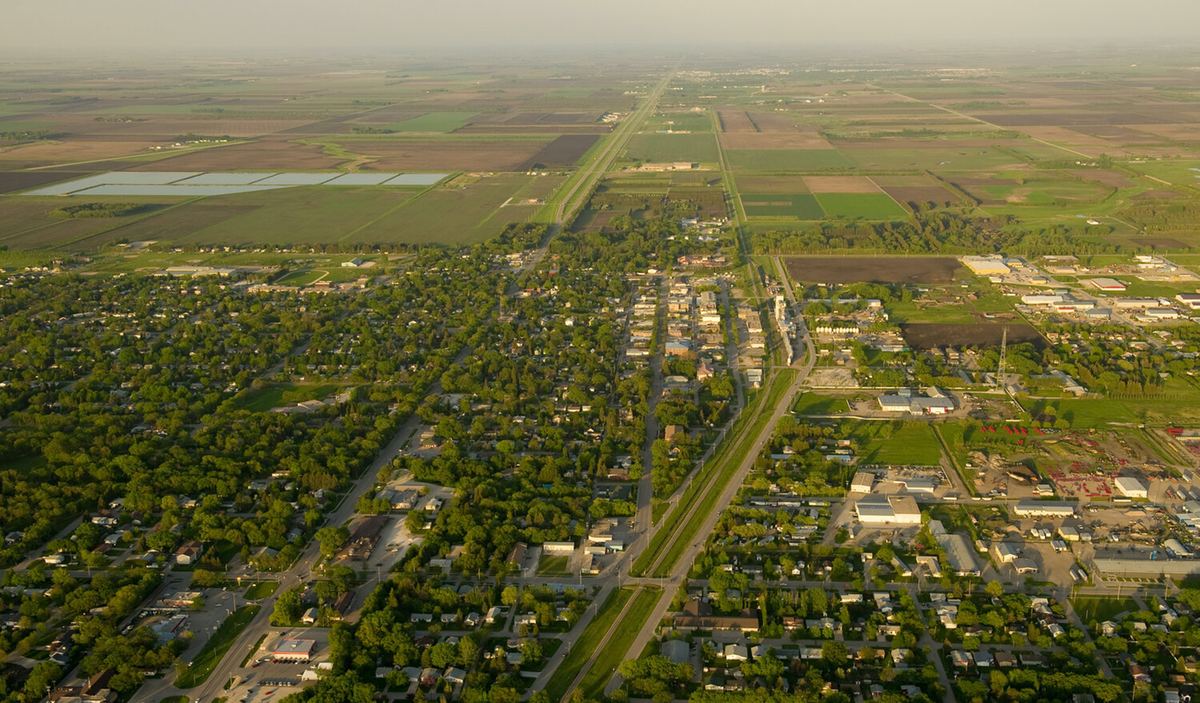
Acreage values vary a great deal across the province. Properties within easy commuting distance of Winnipeg, such as those in the RMs of Headingley, Macdonald, Ritchot and Springfield, tend to attract strong demand from city workers. Around Steinbach and in the Pembina Valley, demand is shaped by local employment and by families wanting space near growing towns. Further from these centres, buyer pools are smaller and prices more modest. An appraiser who works across these areas understands how far a sale from one region can be used as evidence for another.
Seasonal factors
Rural inspections in winter can be limited by snow cover. Septic fields, driveways and some building foundations may be hidden. The appraiser notes any limitations and relies on information from the owner where needed. Spring inspections can reveal drainage and access issues that are invisible in other seasons. None of this prevents an appraisal, but it is worth knowing when you book.
Acreage appraisals across Southern Manitoba
Burley Appraisals appraises acreages and country residential properties around Winnipeg, Steinbach, Portage la Prairie and throughout the Pembina Valley. Order online and choose "Acreage or country residential".
Frequently asked questions
Does an appraisal include a well water test?
No. Appraisers note the water source but do not test water. Lenders often require a separate potability test.
How much does a heated shop add?
It depends on size, quality and local demand. In many Manitoba rural markets a good heated shop is a significant feature. The appraiser estimates its contribution from comparable sales.
Will my lender finance all my acreage?
Many residential lenders limit how much land they include. Check with your lender before the appraisal so the scope is clear.
This article is general information, not legal, tax or financial advice. Speak with a qualified professional about your situation.